
Sabarimala Temple
- Information
- Things to do
- How to reach
- Gallery
- Stay
Overview
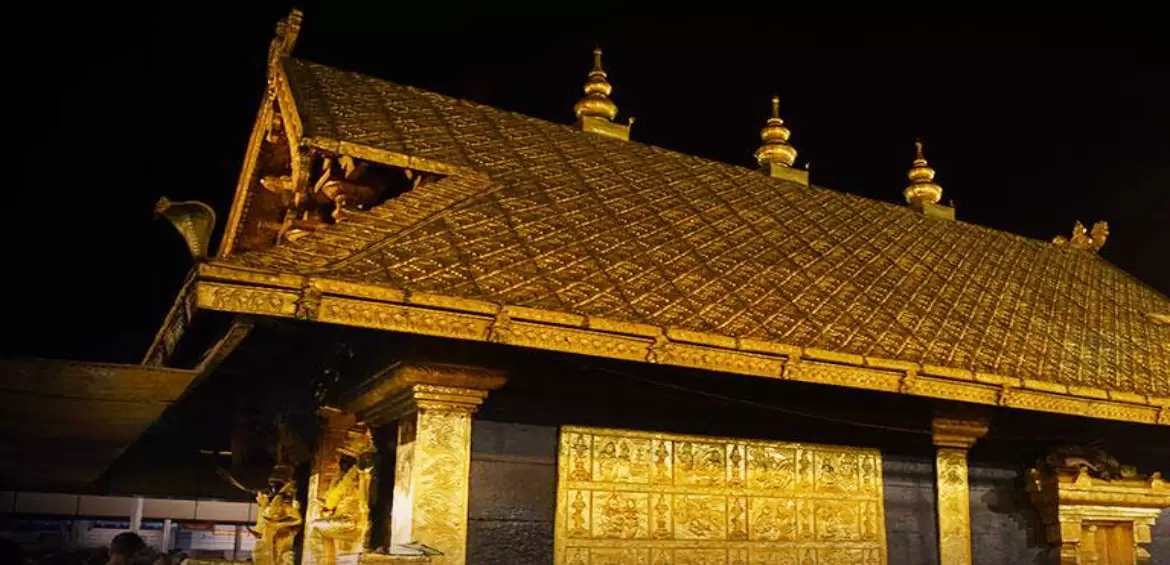
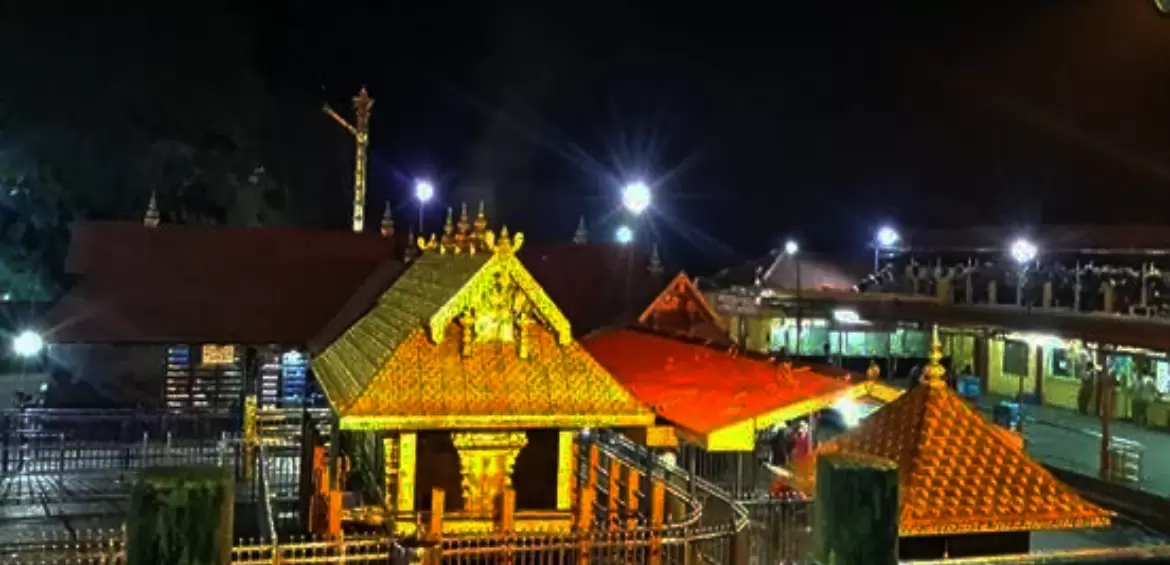
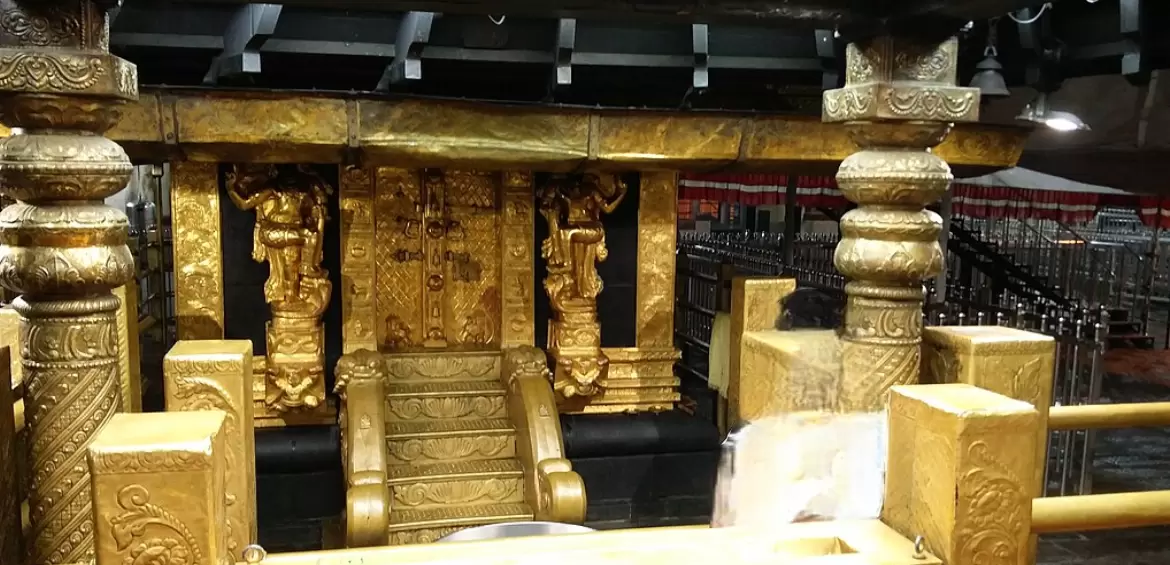
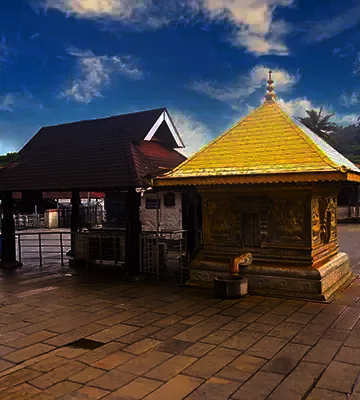
Sabarimala Temple, located in the Western Ghats of Kerala, is dedicated to Lord Ayyappa, the deity symbolizing dharma (righteousness) and renunciation. Perched atop a hill at an elevation of 4,133 feet, the temple is surrounded by the lush Periyar Tiger Reserve, offering a serene and spiritual atmosphere. Each year, over 40 to 50 million devotees undertake the Sabarimala pilgrimage, making it one of the largest annual religious gatherings in the world.
Spiritual Significance and Pilgrimage Preparation
The journey to Sabarimala is more than a trek—it is a spiritual odyssey. Devotees observe a 41-day vratham (austerity period), which includes strict celibacy, vegetarian diet, and daily prayers. This period of penance prepares pilgrims for the challenging trek through dense forests and steep hills leading to the temple.
Historical and Mythological Background
Sabarimala’s origins are deeply rooted in Hindu mythology. According to legend, Lord Ayyappa was born from the union of Lord Shiva and Mohini, the female avatar of Vishnu. Also known as Hariharaputra, Ayyappa symbolizes the harmony of Hari (Vishnu) and Hara (Shiva).
The temple was historically established by the Pandalam dynasty. It is believed that Lord Ayyappa meditated at Sabarimala after defeating the demoness Mahishi. Unique practices, such as the historical restriction on women aged 10 to 50, have been a subject of legal scrutiny. In 2018, the Supreme Court of India lifted this ban, allowing women of all ages to visit the temple.
✖
![Full Image]()